
Nxai Pan
A vast, otherworldly salt pan where the zebra migration thunders across ancient lake beds and baobabs have stood silent witness for millennia
country
Botswana
size
2,578 km² (National Park)
best season
November to March for the zebra migration, May to October for elephant viewing at the waterhole
famous for
Makgadikgadi zebra migration, Baines' Baobabs, and walking with Bushmen
Where explorers once walked
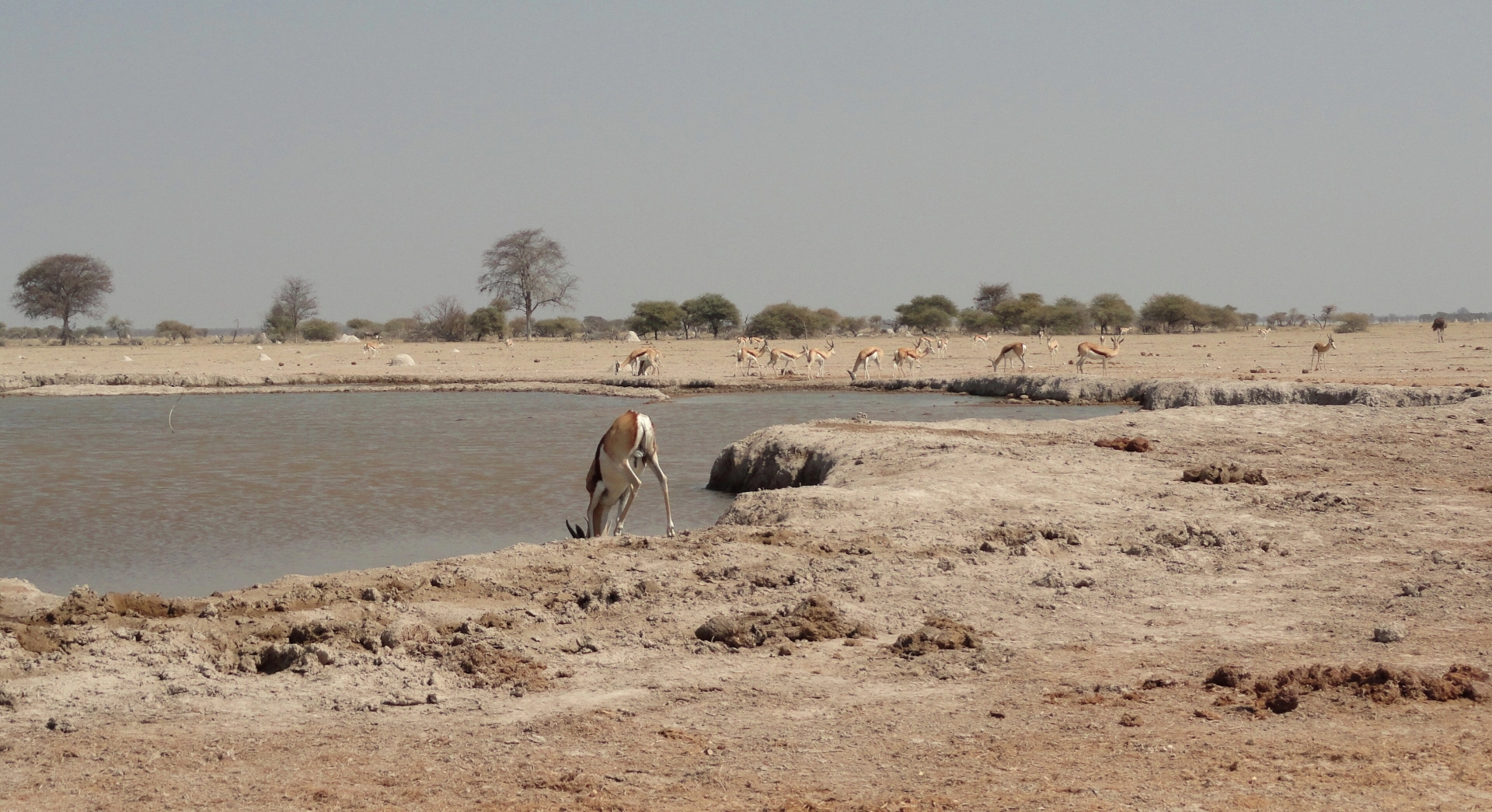
Nxai Pan is the only permanent camp inside Nxai Pan National Park, and the moment you arrive, you feel it — a stillness so deep you can hear your own heartbeat. This is a stark, otherworldly expanse. In the dry months, gemsbok and springbok drift across dusty plains, and elephants file past camp in a steady, unhurried procession, drawn to the waterhole like pilgrims. Then the rains come, and everything changes. A green wonderland erupts, and thousands upon thousands of zebras pour in, part of Africa's second-largest migration. Behind them come the predators — lions, cheetahs, and hyenas — turning the lush pans into a theatre of life and death.
The Superlake beneath your feet
Once upon a time — and we're talking millions of years ago — this was the Superlake Makgadikgadi, a vast inland sea that covered much of northern Botswana. The Okavango, the Chobe, and the Upper Zambezi all flowed into it, creating one of the largest lakes Africa has ever known. Then tectonic shifts changed everything. The rivers found new paths, the climate dried, and the great lake slowly vanished, leaving behind open grasslands, surreal salt flats, and stories written in sand. What you see today at Nxai Pan is a fossil lake bed, about 15 kilometres wide, covered with short grass and dotted with acacias — a ghost of that ancient water world.
Baines' Baobabs: painted, but never changed
In the south of Nxai Pan stands a cluster of baobab trees so iconic they carry their own name: Baines' Baobabs. Thomas Baines, the artist travelling with David Livingstone's expedition, painted them in 1862. Look at his painting today, then look at the trees — they haven't changed. The same massive trunks, the same gnarled branches reaching for the sky. Livingstone himself camped here, and you can still feel the weight of centuries in the silence around these ancient giants. They once stood on the shores of the Superlake. Now they rise from an island of earth surrounded by salt pans, defying the passage of time. Take a trip out here with a picnic lunch, sit in their shade, and let the stories sink in.
Walking with the Bushmen
This isn't just a nature walk — it's a step back into deep time. The San Bushmen have lived in harmony with this land for tens of thousands of years, and their knowledge runs deeper than most of us can imagine. On a guided walk, you'll learn about the "Soulful Five" — not big game, but the survival skills, medicinal plants, tracking techniques, and spiritual wisdom that sustained generations. You'll discover which roots hold water in a drought, which leaves heal wounds, and how to read the ground like a book. It's humbling, and it might just change how you see the bush.
The waterhole that never disappoints
Just two kilometres from the entrance gate sits the focal point of Nxai Pan: a waterhole in the middle of a vast grassy plain, shaded by a few umbrella thorn trees. In the dry season, this is where the magic happens. Elephants arrive in endless procession, sometimes lining up to drink while springbok and guineafowl mill about. Lions know this too, and they're often nearby — waiting, watching, or just dozing in the shade. If you're staying at Nxai Pan Camp, you might not even need to leave your tent. The camp's own waterhole draws wildlife constantly, and breakfast interrupted by a passing lion pride isn't unusual here.
Zebra migration: Africa's best-kept secret
Everyone's heard of the Serengeti migration. Far fewer know about what happens at Nxai Pan. Between December and March, after the summer rains have turned the pans green, thousands of zebras arrive. They come from the north, from the direction of Linyanti and Chobe, to give birth on these nutrient-rich grasslands. The numbers are staggering — wildebeest, zebra, and gemsbok in their thousands, along with huge herds of antelope and giraffe. And where there's prey, there are predators. Lion, cheetah, and both brown and spotted hyenas follow the herds. This is one of the few places in Botswana where the rainy season is actually the best time for game viewing, and the spectacle rivals anything on the continent.
What lives here
Discover Flora and Fauna
Mammals
Seasonal spectacle with solid residents
Birds
Rich and varied
Reptiles
Desert-adapted species
Vegetation
Fossil pan ecosystem
Climate & Best Time to Visit
When should you actually go?
Nxai Pan flips the usual safari script. Unlike most parks that shine in the dry season, this place truly comes alive when the rains arrive. The choice is yours: come in the green season for the zebra migration at full throttle, or visit during the drier months when the elephants own the waterhole and the pans feel stark and ancient.
Jan
Feb
Mar
Apr
May
Jun
Jul
Aug
Sep
Oct
Nov
Dec
Excellent
Good
Low